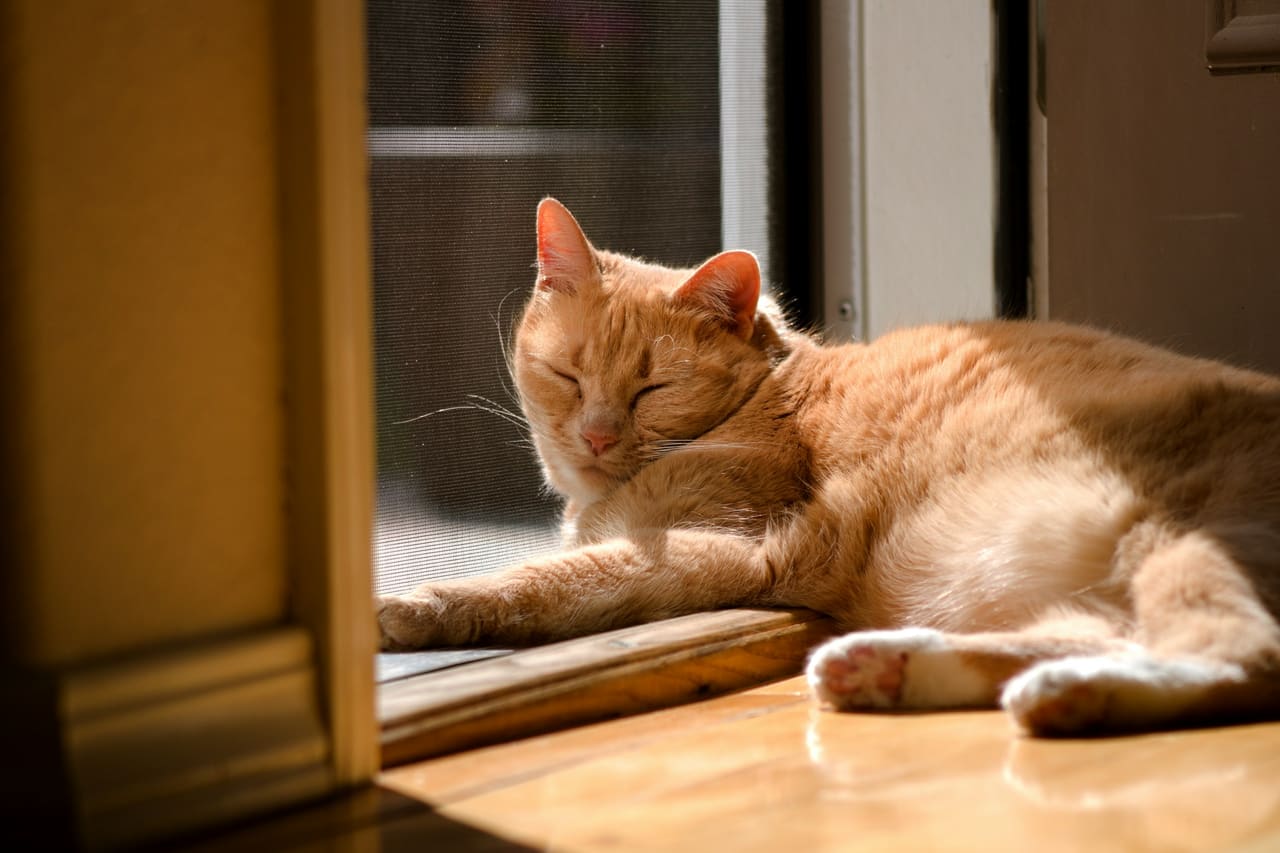
Read the whole cat, not one signal. A tail held straight up, soft eyes, slow blinks, and forward ears usually mean a relaxed, friendly cat. Flattened or rotated ears, a low or lashing tail, dilated pupils, a crouched body, and hissing mean the cat is frightened or annoyed and needs space.
Provide one litter box per cat plus one, in quiet, separate locations away from food and water. Use a large, uncovered box (about one and a half times the cat's length) with unscented clumping litter, scoop at least once a day, and see a vet if your cat suddenly stops using the box.
Veterinary guidelines group cats into four life stages - kitten (birth to 1 year), young adult (1 to 6 years), mature adult (7 to 10 years), and senior (over 10 years). Every cat should have at least one wellness visit a year, with more frequent checks often recommended for seniors.